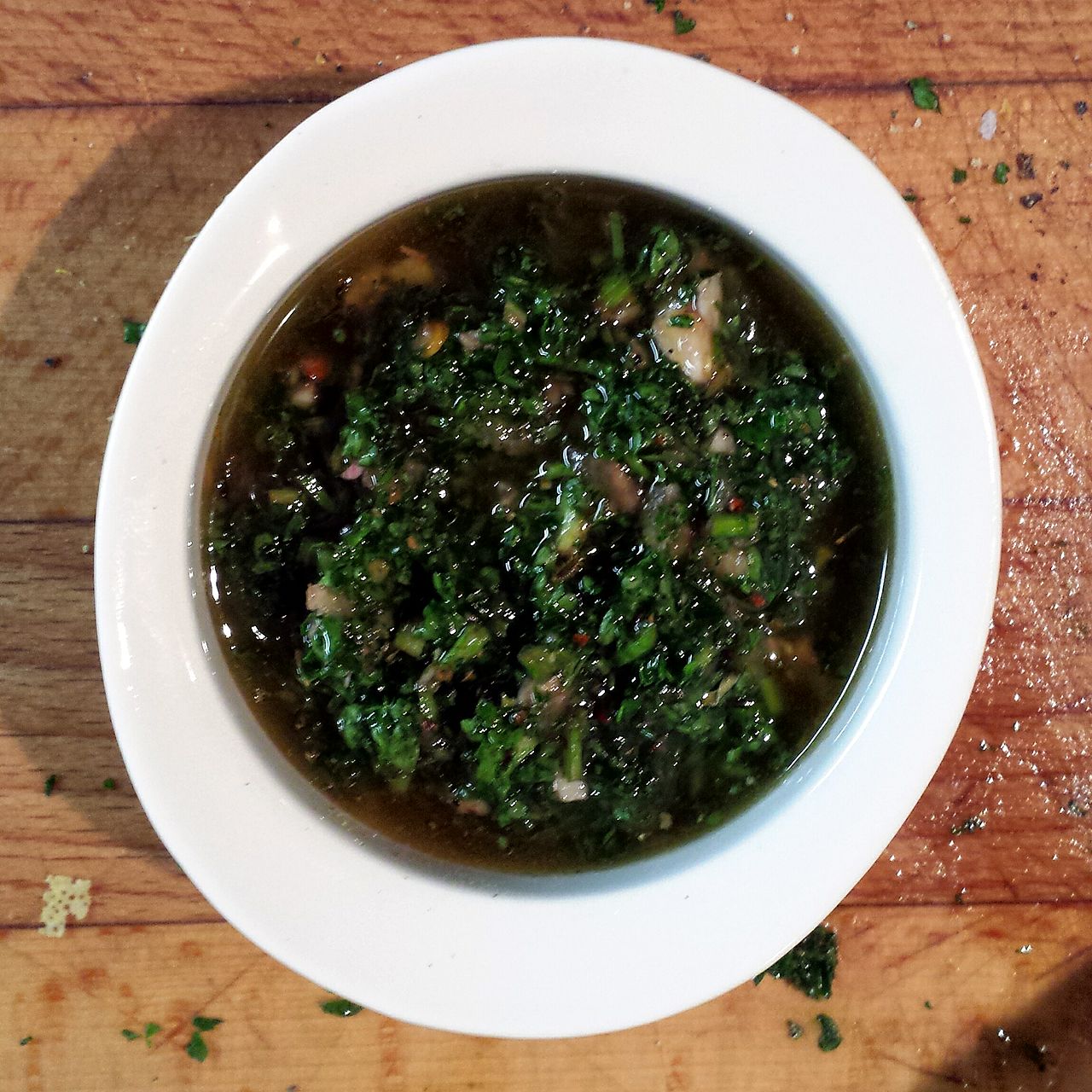
Make Authentic Chimichurri: Transform Your Grilled Meats
Ever wonder what secret ingredient takes a simple grilled steak from good to unforgettable? The answer, for many culinary enthusiasts, lies in a vibrant, herbaceous green sauce from South America: chimichurri. This isn't just any condiment; it's a game-changer, promising to infuse your grilled meats, roasted vegetables, and even seafood with an unparalleled burst of fresh, tangy, and subtly spicy flavor. If you've only ever encountered bland, bottled versions, prepare to have your palate awakened by a true, homemade chimichurri sauce recipe.
What is Chimichurri Sauce? The Heartbeat of Argentinian Grilling
Chimichurri is a traditional uncooked sauce hailing from the culinary landscapes of Argentina and Uruguay. Often dubbed the "Argentinian pesto," it shares some conceptual similarities with its Italian cousin – a focus on fresh herbs, olive oil, and garlic – yet boasts a distinctly brighter, tangier, and more piquant profile. The essence of authentic chimichurri lies in its simplicity and the power of its fresh ingredients.
At its core, chimichurri is a robust emulsion of finely chopped fresh parsley, pungent garlic, tangy vinegar, earthy oregano, and a generous pour of olive oil, all brought to life with a kick of red pepper flakes and a touch of salt and pepper. While it’s most famously associated with *asado*, the traditional Argentinian barbecue, its versatility knows no bounds. This isn't just a sauce; it's a statement, a testament to how fresh, simple ingredients can create something profoundly delicious.
Why Authenticity Matters for Your Chimichurri Sauce Recipe
You might have tried chimichurri before and been left unimpressed. Perhaps it was a bottled concoction lacking depth, or an imitation that missed the mark. The true magic of chimichurri, however, lies in its authenticity – the freshness of its components and the balance of its flavors. A real, authentic chimichurri sauce recipe is a world away from its mass-produced counterparts. It’s vibrant, alive, and capable of transforming even the simplest meal into a culinary experience.
The beauty of making chimichurri at home is the control you gain over the quality and freshness of your ingredients. This ensures that every spoonful delivers that zesty, herbaceous punch that perfectly complements the richness of grilled meats. Once you taste a truly homemade version, you'll understand why this green sauce is steadily growing in popularity across the globe.
Essential Ingredients for Your Authentic Chimichurri Sauce Recipe
Crafting the perfect chimichurri doesn't require an arsenal of exotic ingredients. In fact, its charm lies in using fresh, readily available components that shine when combined. Here’s a breakdown of what you'll need and why each element is crucial:
- Flat-Leaf Italian Parsley: The undisputed star of the show. Fresh parsley provides the vibrant green color and a clean, slightly peppery, herbaceous base that forms the foundation of the sauce. Using flat-leaf (Italian) parsley is key, as its flavor is more robust than curly parsley.
- Fresh Cilantro (Optional, but Recommended): While some purists omit it, a touch of fresh cilantro adds an extra layer of bright, citrusy-herbal complexity. It deepens the flavor profile without overpowering the parsley.
- Fresh Oregano Leaves: Essential for adding an earthy, slightly minty note that grounds the sauce. While dried oregano can be a substitute in a pinch, fresh oregano offers a far superior aroma and flavor.
- Garlic: The bold punch that gives chimichurri its signature bite. We recommend at least four cloves, finely chopped, but feel free to adjust to your personal garlic preference.
- White Wine Vinegar (or Red Wine Vinegar): This is where the crucial tang comes in. Vinegar provides the acidity that cuts through the richness of meats and balances the olive oil, making the sauce incredibly refreshing. Both white and red wine vinegar work beautifully; white wine vinegar tends to be a bit sharper, while red offers a slightly fruitier depth.
- Extra Virgin Olive Oil: The backbone of the sauce, binding all the flavors together. Use a good quality extra virgin olive oil for the best taste and texture.
- Red Pepper Flakes: A must-have for that subtle, warming kick. Adjust the amount to control the heat level – from just a hint of warmth to a more pronounced spiciness.
- Ground Cumin (Optional): A small pinch of cumin, as featured in some celebrated recipes like Chef John's, can add a wonderful earthy depth that complements the other spices without dominating.
- Salt and Freshly Ground Black Pepper: Fundamental for seasoning, enhancing all the other flavors. Always taste and adjust to your preference.
- Lemon Juice (Optional): A fresh squeeze of lemon juice can add an extra layer of brightness, lifting the sauce and making it even more vibrant. Use sparingly to avoid overpowering the vinegar.
Authentic Chimichurri Sauce Recipe: Your Step-by-Step Guide
Ready to elevate your grilling game? This
easy chimichurri with fresh herbs recipe is designed for maximum flavor and ease, drawing inspiration from classic techniques and modern convenience.
Ingredients:
- 1 large bunch flat-leaf Italian parsley (about 1 cup chopped), stems removed
- ½ cup fresh cilantro leaves (optional, but recommended)
- ¼ cup fresh oregano leaves (or 1 tablespoon dried)
- ½ cup extra virgin olive oil
- 4-6 cloves garlic, peeled and roughly chopped (or more, to taste)
- 3 tablespoons white wine vinegar (or red wine vinegar), or more to taste
- ½ teaspoon salt, or to taste
- ¼ teaspoon ground cumin (optional)
- ¼ teaspoon red pepper flakes (adjust to your spice preference)
- ¼ teaspoon freshly ground black pepper
- 1 tablespoon fresh lemon juice (optional)
Directions:
- Prepare Your Herbs: Start by thoroughly washing your parsley, cilantro, and oregano. To easily remove parsley leaves from stems, hold the bunch in one hand and run a chef's knife straight down the stem at a 45-degree angle. Discard the stems.
- Combine Ingredients: In a food processor or blender, combine the destemmed parsley, cilantro (if using), oregano, chopped garlic, olive oil, white wine vinegar, salt, cumin (if using), red pepper flakes, and black pepper. If you're opting for lemon juice, add it now too.
- Pulse to Perfection: Pulse the mixture 2-3 times, then scrape down the sides with a rubber spatula to ensure everything is incorporated. Continue pulsing and scraping until a thick, vibrant green sauce forms. The goal is a finely chopped, textured sauce, not a smooth paste. Aim for about 10-12 pulses, depending on your machine. Be careful not to over-process, as this can make the herbs taste bruised and lose their fresh vibrancy.
- Taste and Adjust: Transfer the chimichurri to a small bowl. Taste and adjust seasonings as needed. You might want more salt, a little extra vinegar for tang, or more red pepper flakes for heat. Remember, the flavors will meld and deepen over time.
- Rest Before Serving: For the best flavor, allow the chimichurri to rest for at least 30 minutes at room temperature before serving. This gives the herbs, garlic, and spices time to infuse the oil and vinegar.
Tips for the Best Homemade Chimichurri
*
Freshness is Key: The quality of your herbs and garlic directly impacts the final taste. Always opt for the freshest ingredients you can find.
*
Don't Over-Process: Whether using a food processor or hand-chopping, aim for a finely minced texture, not a purée. A slight bite from the herbs and garlic adds to the authentic experience. If hand-chopping, ensure your knife is sharp for the best results.
*
Adjust to Your Palate: The beauty of homemade chimichurri is its customizability. Love garlic? Add more! Prefer a milder sauce? Reduce the red pepper flakes. Don't be afraid to experiment.
*
Let it Mingle: While delicious immediately, chimichurri's flavors intensify and meld beautifully after an hour or two, or even overnight. Plan ahead if you can!
*
Storage: Store your chimichurri in an airtight container in the refrigerator for up to a week. The olive oil may solidify slightly when chilled; simply bring it to room temperature before serving or gently warm it.
Beyond the Grill: Unleashing Chimichurri's Versatility
While chimichurri is a match made in heaven for grilled steaks – think flank, skirt, or ribeye – its applications extend far beyond. It’s an incredibly
vibrant chimichurri: Argentina's versatile sauce for everything. Drizzle it over:
- Other Meats: Grilled chicken, pork chops, lamb, and even roasted turkey.
- Seafood: Baked salmon, grilled shrimp, or seared scallops benefit from its bright notes.
- Roasted Vegetables: Toss it with asparagus, potatoes, bell peppers, or cauliflower before or after roasting.
- Eggs: A dollop on scrambled eggs or an omelet adds an unexpected zing.
- Sandwiches & Wraps: Use it as a vibrant spread instead of mayonnaise or mustard.
- Bread: Serve it with crusty bread for dipping, similar to an infused olive oil.
Conclusion
Learning how to make an authentic chimichurri sauce recipe is more than just learning to make a condiment; it's about unlocking a world of flavor that will truly transform your cooking. This simple yet powerful green sauce is a testament to the magic of fresh ingredients and the joy of home cooking. So, the next time you fire up the grill, skip the bland bottled options. Whip up a batch of this vibrant, zesty, and utterly delicious chimichurri, and prepare to elevate your grilled meats – and countless other dishes – to an extraordinary level. Your taste buds will thank you.