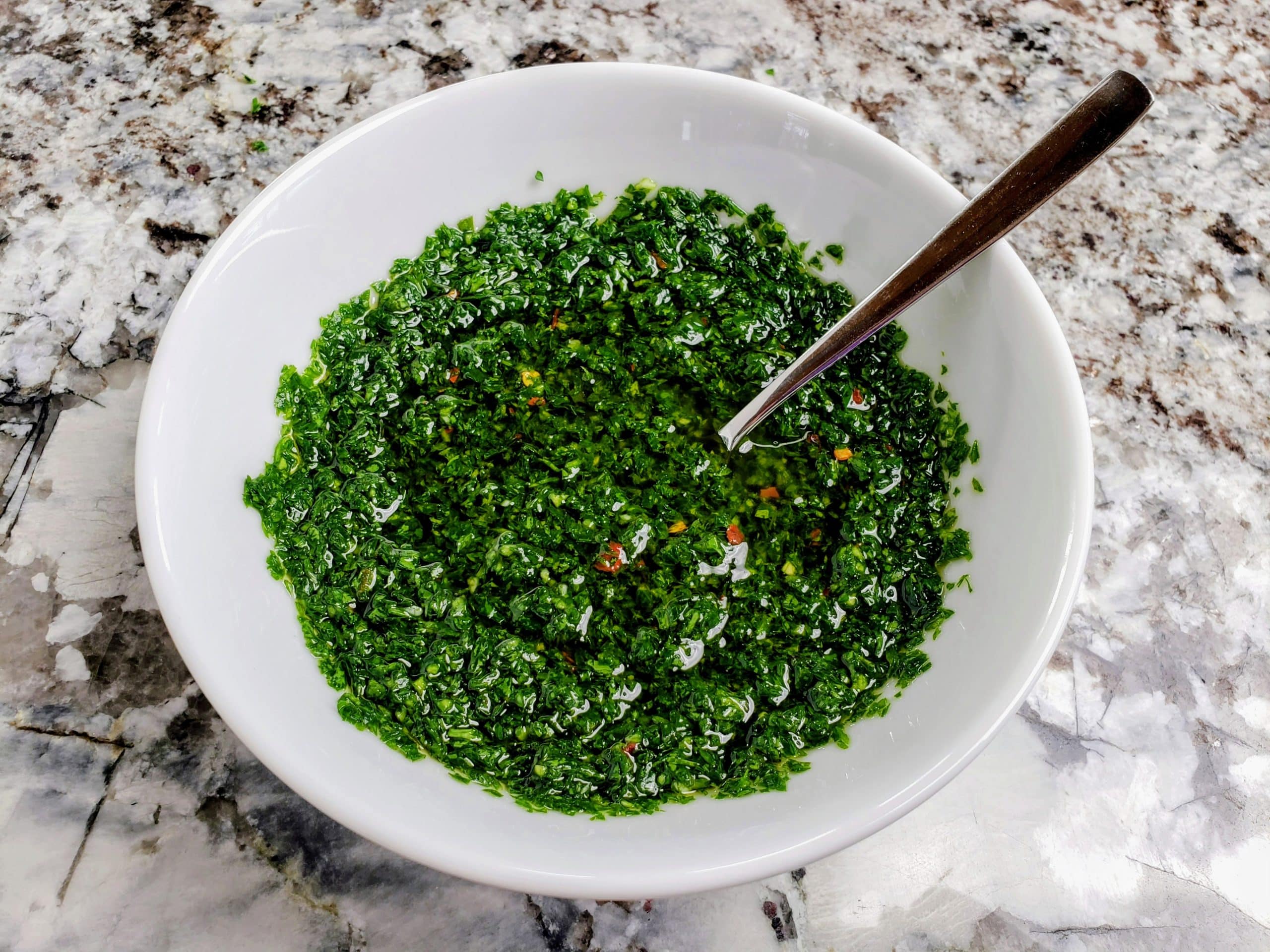
Vibrant Chimichurri: Argentina's Versatile Sauce for Everything
Imagine a sauce so transformative, so packed with fresh flavor, it can elevate a simple grilled steak to a culinary masterpiece, turn humble roasted vegetables into a vibrant side, and even breathe new life into your morning eggs. That, dear food lover, is the magic of chimichurri. This dazzling green elixir, originating from the sun-drenched plains of Argentina and Uruguay, is far more than just a condiment; it's a testament to the power of fresh ingredients and simple preparation.
For those who have only encountered bland, bottled imitations, prepare to have your palate awakened. An authentic chimichurri sauce recipe is a revelation, a vibrant symphony of herbs, garlic, and tang that promises to become an indispensable staple in your kitchen. It’s steadily conquering dining tables across the globe, and once you taste the real deal, you’ll understand why. Let's dive into the heart of this iconic Argentine sauce and discover how to make it a star in your own home.
What is Chimichurri? A Taste of Argentina's Culinary Secret
At its core, chimichurri is an uncooked, oil-based sauce made from finely chopped fresh herbs, garlic, vinegar, and a touch of chili. Often described as Argentina’s answer to pesto, it offers a distinctly sharper, brighter, and more piquant flavor profile. While pesto leans into the nutty richness of pine nuts and cheese, chimichurri embraces a bold, herbaceous freshness and a zesty acidity that cuts through rich flavors beautifully.
This traditional condiment is deeply woven into the fabric of South American grilling culture, particularly the Argentine asado (barbecue). It's designed to complement the smoky char and succulent juiciness of grilled meats, providing a refreshing counterpoint that awakens the senses. But its appeal isn't limited to steak. The versatility of chimichurri is one of its greatest strengths, making it a beloved addition to countless dishes.
The Essential Ingredients for an Authentic Chimichurri Sauce Recipe
The beauty of chimichurri lies in its simplicity. You don't need exotic ingredients or complicated techniques; just fresh, high-quality components that shine on their own. Each ingredient plays a crucial role in building the sauce's characteristic flavor profile:
- Flat-Leaf Italian Parsley: The Undisputed Star
This is the foundation of your chimichurri. Parsley provides that essential grassy, clean, and slightly peppery base. Always opt for fresh, vibrant bunches with no wilting. - Fresh Oregano: Earthy Aromatic Depth
Fresh oregano contributes a wonderfully earthy, slightly peppery, and pungent note. While dried oregano can be used in a pinch, fresh leaves offer a superior aroma and texture that truly elevates the sauce. - Garlic: The Bold Punch
Garlic is non-negotiable in chimichurri, delivering a robust, piquant bite. The amount can be adjusted to your preference – some prefer a subtle whisper, while others crave a powerful garlic explosion. - Red or White Wine Vinegar: The Zesty Tang
Vinegar is crucial for balancing the richness of the olive oil and brightening the herbaceous flavors. Red wine vinegar is traditional and offers a slightly fruitier, more robust tang, but white wine vinegar provides a cleaner, sharper acidity. Choose what you prefer for your chimichurri sauce recipe. - Extra Virgin Olive Oil: The Backbone
A good quality extra virgin olive oil binds all the flavors together, providing a smooth, rich mouthfeel. Its fruity notes complement the herbs and garlic beautifully. - Red Pepper Flakes: A Hint of Heat
These provide a subtle warmth and a gentle kick that enlivens the sauce without overpowering it. Adjust the quantity to suit your desired spice level. - Salt & Freshly Ground Black Pepper: Essential Seasoning
These humble ingredients bring all the other flavors into harmony, enhancing their individual characteristics. - Optional Additions: Customizing Your Chimichurri
- Fresh Cilantro: While traditionalists might skip it, cilantro adds another layer of herbal complexity and a distinctive fresh aroma. It’s a fantastic addition if you love its flavor. For more on maximizing herb flavor, see our guide on Unlock Bold Flavor: Easy Chimichurri with Fresh Herbs.
- Ground Cumin: A touch of cumin, as favored by some chefs, can introduce a subtle, warm earthiness that adds another dimension.
- Lemon Juice: A squeeze of fresh lemon juice can further brighten the sauce, offering a slightly different acidic note than vinegar.
Crafting Your Own Vibrant Chimichurri: Step-by-Step Guide
Creating your own authentic chimichurri is surprisingly simple. The key is in the preparation and the freshness of your ingredients. While some recipes suggest a blender or food processor, many purists advocate for hand-chopping to achieve the perfect texture – a thick, slightly coarse sauce rather than a smooth puree.
- Prepare Your Fresh Herbs: Begin by washing and thoroughly drying your flat-leaf parsley and fresh oregano. Remove the stems from the parsley. Finely chop both herbs. If you're using cilantro, chop it finely now too. The goal is a uniform, small chop – not minced, but not large, unruly pieces. Place them in a medium-sized bowl.
- Mince the Garlic: Peel and mince your garlic cloves as finely as possible. Large chunks of raw garlic can be overwhelming. Add the minced garlic to the bowl with the herbs.
- Combine Liquids & Seasonings: Pour in your chosen vinegar (red or white wine), and extra virgin olive oil. Add the red pepper flakes, salt, and freshly ground black pepper. If using, now is the time to add cumin or lemon juice.
- Mix Gently: Stir all the ingredients together with a spoon or spatula until well combined. The mixture should be thick and herbaceous, with the oil and vinegar creating a vibrant green suspension. Avoid over-mixing, as this can bruise the herbs.
- Rest and Infuse: This step is crucial! For the flavors to truly meld and deepen, cover the bowl and let your chimichurri rest at room temperature for at least 30 minutes, or ideally, in the refrigerator for a couple of hours. This allows the garlic to mellow slightly and the herbs to infuse the oil and vinegar.
Chef's Tip for Texture: If you prefer using a blender or food processor for speed, pulse it only 2-3 times, then scrape down the sides. Repeat this pulsing and scraping just until a thick sauce forms, about 10-12 pulses in total. Be careful not to over-process, as you want texture, not a thin, watery paste.
Beyond Steak: Versatile Uses for Your Chimichurri Creation
While chimichurri is an undeniable champion with grilled meats, its versatility extends far beyond the traditional Argentine steak. Once you have a batch of this vibrant green sauce, you'll find endless opportunities to incorporate it into your cooking:
- Grilled Meats: The classic pairing. Spoon it generously over grilled steak, chicken, pork, or lamb for an instant flavor boost.
- Seafood: Drizzle over grilled fish (salmon, cod, snapper), roasted shrimp, or scallops. The bright acidity beautifully complements delicate seafood.
- Roasted or Grilled Vegetables: Toss with potatoes, asparagus, bell peppers, zucchini, or corn on the cob after roasting or grilling. It transforms simple veggies into something extraordinary.
- Marinade: Use it as a vibrant marinade for chicken, fish, or tougher cuts of steak before grilling.
- Eggs: A dollop over scrambled eggs, fried eggs, or an omelet adds an unexpected burst of freshness.
- Sandwiches & Wraps: Spread it on bread, use it as a sauce in sandwiches, or mix it into chicken or tuna salad for a zesty twist.
- Dipping Sauce: Serve with crusty bread for a flavorful appetizer, or use it as a dipping sauce for empanadas or spring rolls.
Tips for the Perfect Chimichurri & Storage
- Ingredient Quality is King: Since chimichurri is uncooked and relies on fresh ingredients, the quality of your parsley, oregano, garlic, and olive oil will directly impact the final flavor.
- Balance is Key: Taste your chimichurri before serving. If it needs more tang, add a bit more vinegar. If it needs more salt or a spicier kick, adjust accordingly.
- Texture Preference: Decide whether you prefer a finely hand-chopped, slightly coarse texture, or a slightly smoother version achieved with careful pulsing in a food processor. Both are delicious, but purists often lean towards hand-chopped for that rustic feel.
- Storage: Store your homemade chimichurri in an airtight container in the refrigerator. It typically stays fresh for 5-7 days. Over time, the garlic flavor can intensify, and the colors may slightly mute, but it remains delicious. You can also freeze chimichurri in ice cube trays for longer storage; once frozen, transfer the cubes to a freezer-safe bag.
The journey to mastering the perfect chimichurri sauce recipe is a delightful one, promising to unlock a world of vibrant flavors and endless culinary possibilities. Its robust, herbaceous profile and zesty kick make it an essential accompaniment for countless dishes, proving that sometimes, the simplest ingredients yield the most extraordinary results. So, gather your fresh herbs, sharpen your knife, and prepare to infuse your meals with the irresistible spirit of Argentina!
